31 May 2023
Steven Gagau, Associate Curator of Bilas: Body Adornment of Papua New Guinea, Australian Museum, Sydney and President Sydney Wantok Association Inc
My name is Steven Gagau. I stand before you as a member of the Bilas curatorial team, Papua New Guinea (PNG) diaspora community leader and elder working together with the Australian Museum to prepare the Bilas: Body Adornment of Papua New Guinea exhibition with the First Nations Pasifika and Project teams.
I acknowledge the traditional owners (and custodians) of this land on which the Museum is located and the workplace of art, culture and heritage collections. I pay my respects to the Gadigal people of the Eora nation and acknowledge their elders (and leaders) past, present and emerging of this unceded Aboriginal land.
As PNG diaspora and indigenous peoples, we culturally share our respects for showcasing on this land, the Bilas exhibition for our PNG culture and heritage of a different country to our fellow First Nations people of Gadigal country to the Australian public and overseas visitors.
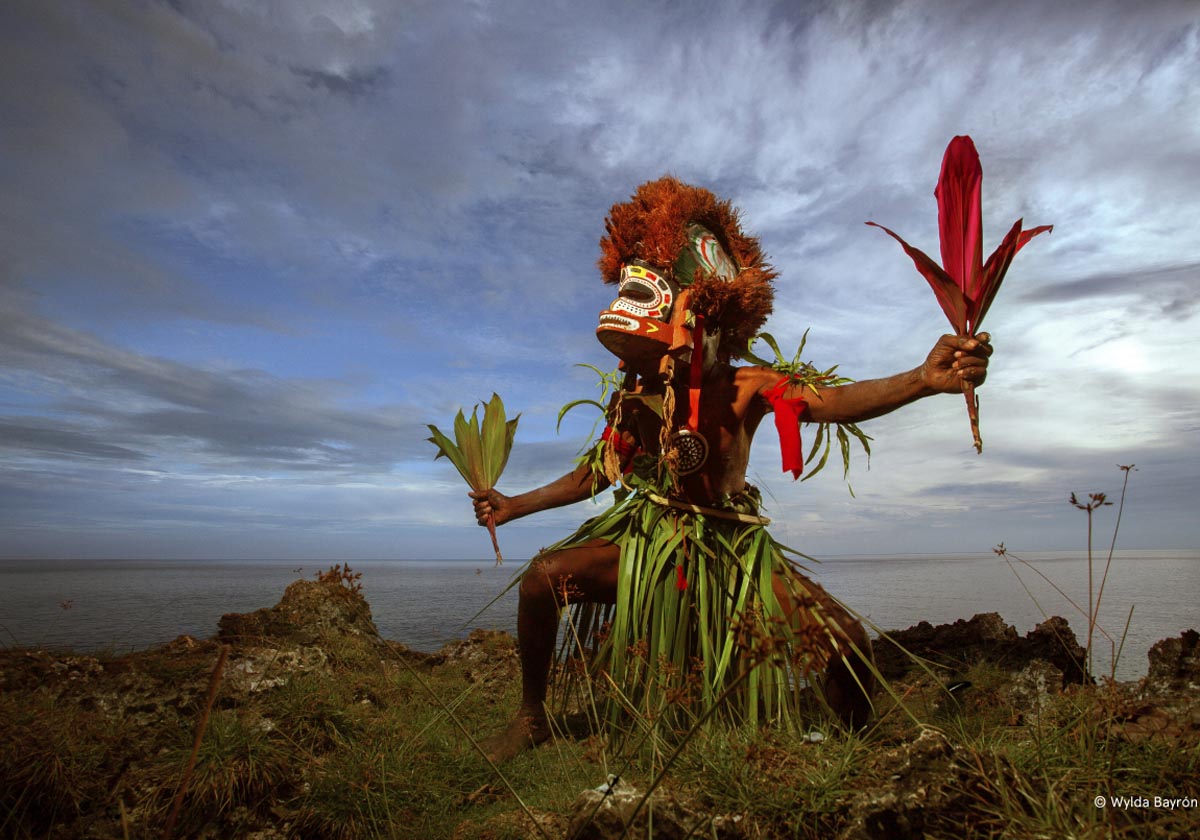
It is culturally appropriate and best practice to acknowledge and pay homage and respects to all the Museum’s Pacific PNG’s collection of cultural materials and natural environment specimens amplified by Wylda Bayrón’s photography images to be used and displayed not only on face value as physical objects but of spiritual significance and connection with our ancestors.
Our ancestors and people belong to Papua New Guinea, a country with a population of over 9 million and growing, a land of cultural and linguistic diversity with over 1,000 tribes, over 800 distinct languages across four regions and twenty-two provinces having their own unique communities on the highlands and coastal mainland regions and the islands region.
As indigenous peoples, traditional livelihoods and cultural practices have linkage and connections to the natural world and the spirit world between the living, the dead, natural environment, and Ancestors where our stories, songs, dances, and legacies are passed on through oral traditions across generations.
Our ancestral spirits live among us and are an integral part of this Museum space, so as peoples and generations of our homelands, we pay tribute and homage to our ancestors who have inspired these creative works and expressions symbolised through these cultural objects as the traditional owners, creators and designers.
Showcasing PNG’s bilas through the rich cultural heritage of body adornment links directly with our connections in this natural world with the spirit world of our ancestors.
In wrapping up, I share my personal connections with my ancestors who through inter-island movements and settlement, came from New Ireland to New Britain. Coincidentally my origins in ancestral land of New Ireland is known as “Bilas Peles” or a decorative place aligning to the body adornment of our Bilas project.
It is culturally in order that to give blessings as we are blessed and privileged today knowing that Bilas is a living culture through the objects and images on the display knowing there are cultural voices and ancestors speaking to us to enjoy and learn from Bilas exhibition that we are preparing and opening on 8th June 2023.
Tok Pisin PNG
Bikpela tok tenkyu tru na mipela luksave long olgeta manmeri i wokim koleksen, na lukautim ol tumbuna bilong mipela stap long Australian Museum. Mipela gat bel isi, wan bel na soim rispek olsem yupela stap long dispela ples and amamas long tok orait long ol manmeri lukluk long Bilas exhibition.
Tok Ples Kuanua
Iau vatang ra ngala na boina tuna ma gigira ilam tara umana pokopoko ma lavur papait na gunan na madapai kai ra umana tubuai vevet dia ki akari ra Australian Museum. Ave gugu ta ra umana tarai na papalum ati ta kadia varbalaurai tavavat. Iau tur valing avet ma ra variru, pite varpa ta kavava nimulaot ure ra Bilas exhibition.
Thank you, tenkyu tru, boina tuna !!